All Categories
Featured

Optimizing UK Workforce Performance Through Innovation
Table of Contents
In particular, tax and legal direct exposure can start remarkably early, even if overseas profits still feels "little".
Impactful Corporate Leadership for a Global Economyensuring IP, brand name, trade assets and other intangibles are held and protected in structures that decrease direct exposure as worldwide activity grows. using the ideal entities for the right risks, so functional direct exposure in one location doesn't unnecessarily threaten properties held in other places. This is where an effective modern-day Financing Director adds real tactical worth.
They know what to try to find, when "little" overseas activity begins to create big implications, and how to avoid sleepwalking into avoidable direct exposure. In practice, a strong FD will appear the problems early, commission the ideal expert advice, and coordinate the moving parts throughout tax consultants, legal counsel and internal stakeholders.
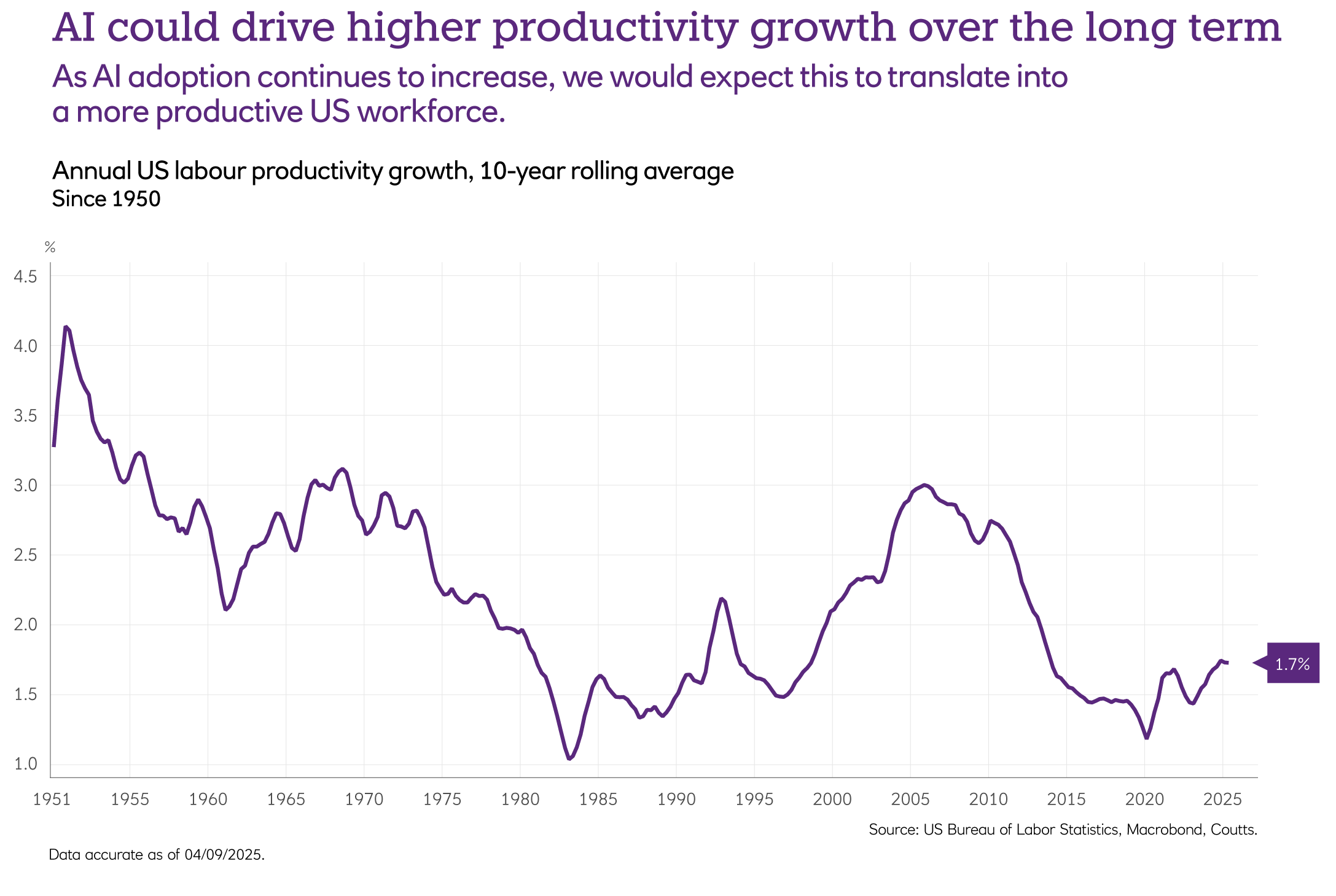
Along with the macro photo, AI is ending up being a specifying force in how financing works operate. Worldwide, adoption amongst SMEs is increasing quickly, and those who move initially tend to acquire an edge in effectiveness, choice speed and financing. Tools that evaluate invest, flag anomalies, boost forecasting and create commentary are moving from experimental to mainstream.
A loosely run financing function that feeds poor-quality information into automatic tools simply speeds up confusion. A disciplined, FD-led financing function does the opposite: it develops a solid foundation for automation to provide trusted insight. Creating constant coding structures and financial data models. Selecting proper automation tools for the size and intricacy of the organization.
Forecasting the 2026 UK Business Outlook
Embedding controls that secure against AI-driven errors. In 2026, SMEs will compete on monetary clarity as much as product and services quality. AI broadens the space in between disciplined and unrestrained companies. At the same time, the UK employment landscape is shifting. Expanded versatile working rights, foreseeable working pattern guidelines, more powerful securities around unfair dismissal and assessment duties all point in one direction: hiring is becoming more procedurally requiring and riskier to get incorrect.
Repaired headcount becomes a bigger dedication, especially in junior or functional functions where efficiency can be variable. Working with errors end up being more costly, not only financially but in management time. Minimizing long-term hiring and being more selective about in-house roles. Relying more heavily on fractional professionals, consisting of fractional FD services. Increasing automation and AI adoption to enhance documentation-heavy or repeated workflows.

They model workforce situations, hire vs outsource vs automate, and show how these choices affect cashflow, margin and functional risk. Provided this background, what should an SME's finance leadership, whether in-house or outsourced, focus on over the next 18 months? rolling projections, situation planning, debtor management and provider negotiations that surpass spreadsheets into structured process, supported by strong cashflow management.
These are not administrative chores, they are tactical enablers.
Smart Tactics to Guide 2026 Mid-Market Growth
For businesses considering their next move, the schedule and cost of financing matters as much as confidence. What we are seeing now is a market where, regardless of combined sentiment, the conditions for investment are improving in practical and measurable ways. It would be reasonable to say that self-confidence among SMEs has softened over the past year.
What has actually changed is presence. Businesses now have a clearer view of their cost base, their tax position and the broader financial background. That clarity, even if it comes with hard decisions, allows firms to plan. Significantly, we are hearing businesses describe 2026 as a year of shipment rather than delay.
Companies are mindful that capital is available at an affordable expense, and that this creates an opportunity to bring forward growth plans that may have been parked while conditions were less certain. While self-confidence may be weaker than it was 12 or 18 months earlier, the tone of discussions has actually ended up being more useful.
Over the last few years, asset finance brought in particular attention, assisted by tax incentives that made it specifically appealing. Some of those benefits have actually since reduced, but rather than dampening activity, we are seeing demand throughout the complete series of industrial financing. Property-backed financing, structured loaning and possession financing are all in play.
The lender side of the marketplace is also shifting in favour of debtors. There is an abundance of capital available, lending requirements are softening, and prices is relieving. This is particularly visible among the high street banks. As Covid-era loans have actually been paid back, balance sheets have actually strengthened and cravings has actually returned.
Navigating the 2026 UK Economic Outlook
Organizations that limit themselves to a single loan provider are undoubtedly limiting their options. A whole-of-market method allows funding to be structured around the needs of the business rather than the restraints of a specific item. Dealing with experienced industrial financing brokers offers services access to a large lending universe and a much more comprehensive range of solutions.
It also suggests companies can react quicker as conditions evolve, instead of being connected to one route. Looking ahead, I think the next phase will favour companies that want to make considered investment decisions. After a subdued 2nd half of 2025, the mix of capital availability, lending institution cravings and improving rates creates a platform for development.
Those who continue to postpone choices may find themselves stalling while the market moves on. In a more competitive environment, that brings its own threats. Turnover and profitability are not guaranteed simply by waiting for conditions to end up being perfect. The message I would provide to organization owners is not to disregard threat, but to recognise chance.
For firms with aspiration, a clear strategy and the willingness to engage properly with the funding landscape, this is a duration that can be utilized to support sustainable development instead of simply to tread water.
This article has actually been prepared for info functions only, does not make up an analysis of all potentially material issues and is subject to change at any time without prior notification. NatWest Markets does not undertake to update you of such changes. It is a sign only and is not binding. Besides as suggested, this short article has been prepared on the basis of openly offered details believed to be trusted but no representation, guarantee, undertaking or guarantee of any kind, express or implied, is made as to the adequacy, accuracy, efficiency or reasonableness of the information included in this post, nor does NatWest Markets accept any commitment to any recipient to upgrade or correct any information consisted of herein.
Sustainable Capital Vs. Debt in UK
The views expressed herein might not be objective or independent of the interests of the authors or other NatWest Markets trading desks, who might be active individuals in the markets, investments or techniques referred to in this short article. NatWest Markets will not act and has actually not functioned as your legal, tax, regulative, accounting or investment consultant; nor does NatWest Markets owe any fiduciary duties to you in connection with this, and/or any associated deal and no reliance may be put on NatWest Markets for investment advice or recommendations of any sort.

Latest Posts
Comparing Automated and Traditional Workforce Practices
Sustainable Capital Vs. Debt in Mid-Market
Leveraging IT for Enhanced Workforce Management Strategies